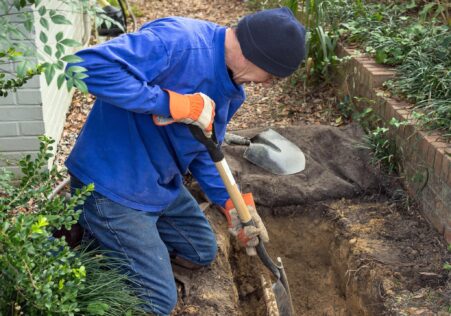
The Dos and Don'ts of Drain Cleaning

Drains are a vital element in every home or business. But, they are prone to get clogged up if not maintained properly. If your drains have become blocked then it’s crucial to take immediate action and clean them up. But what are the right ways to go about it and what are the most common mistakes to avoid in cleaning drainpipes? In this article, we will explore the top dos and don’ts of drain cleaning.
Key Takeaways
Dos:
- Use a plunger
- Make use of hot water to drink.
- Utilize natural cleaners
- Contact Melbourne Blocked Drains Plumbing for regular maintenance
Don’ts:
- Make use of chemical drain cleaners with expert advice
- Overuse commercial cleaners
- Pour the grease down the drain
- Use a coat hanger or something else that can damage pipes
Prevention is always better than repairs, so schedule routine maintenance for Melbourne Blocked Drains Plumbing .
The dos:
1. Do use a plunger
If you’re dealing with minor blockages, the plunger should be the first choice of defense. Ensure that you have created a secure seal around your drain before pushing it up and down lightly on the plunger. This creates suction that will allow you to remove any obstructions.
2. Make sure to use hot Water
Hot water is a straightforward and effective way to clear out grime and other build-ups that may cause blockages. Boil some water in pots or kettles and then pour it slowly down the drain in order to loosen up any debris.
3. Do utilize natural cleaners
If hot or plunging aren’t working, try baking soda in combination with lemon juice or vinegar to help dissolve the buildup naturally.
4. Do not hesitate to contact Melbourne Blocked Drains Plumbing for Regular Maintenance
Prevention is always better than repairs Therefore, arrange regular maintenance appointments with Melbourne Blocked Drains Plumbing to ensure your pipes stay clean year-round.
The don’ts
1. Do not use chemical drain cleaners Without professional advice
Chemical cleaners may seem like an easy fix, but they could cause more damage when used improperly under professional supervision.
2. Don’t Overuse Commercial Cleaners
Although strong commercial cleaning products may be beneficial in certain situations, they can make metal components corroding in pipes causing leaks as well as others plumbing issues.
3. Don’t Pour Grease into the Drain.
Grease can become solid once it is introduced into pipes, leading to blockages. Instead, dispose of grease into the garbage or compost.
4. Avoid using a coat hanger or anything that could damage Pipes
A coat hanger or any other sharp object to try to clean drains can do more harm than the good. These tools could scratch and harm pipes, making them more susceptible to blockages.
Cleaning your drains should be done with care and patience, however, sometimes professional intervention is necessary. If these dos and don’ts don’t help clear out the obstruction and increase drain flow, then you should rely on Melbourne Blocked Drains Plumbing for expert advice regarding cleaning, locating issues with CCTV drain inspections, or for complete pipe relining services, if required.
| Do’s | Don’ts |
|---|---|
| Use a plunger | Use chemical drain cleaners without professional advice |
| Use hot water | Overuse commercial cleaners |
| Utilize natural cleaners | Pour grease down the drain |
| Call company for regular maintenance | Use coat hanger or anything that could damage pipes |
FAQ
What are the best practices and rules of drain cleaning?
It is essential to keep your drains clean and flowing freely. Here are some guidelines to prevent blockages:
- Do use a plunger or plumbing snake if you notice slow draining.
- Do often pour boiling water into the drains to dissolve any buildup.
- Don’t pour oil, grease or any fat into the drain as it can solidify and cause blockages.
- Do not make use of chemical drain cleaners as they can cause damage to pipes and harm the environment.
When should I schedule my drainage cleaned?
The frequency of drain cleaning depends on various factors such as the size of the house as well as the amount of use, the age of plumbing system, etc. As a guideline, it’s recommended to have your drains professionally cleaned every two years.
What can I do to tell if my drains need cleaning?
There are a few signs that show that your drains could be blocked include sounds of gurgling coming from the drain as well as slow draining from showers or sinks, unpleasant odors emanating from your drains and the water flowing out of toilets or sinks. If you spot any of these symptoms you should have your drains cleaned by professionals.
Can I do it myself? Or should I hire a professional?
While you may be able to clean your own drains using a plunger or other easy methods to clear your drains, if you have more serious blockages it is recommended to contact a professional plumber. Doing DIY repairs can lead to additional damage to your plumbing system that could cost you more money.
How much will it cost the cost of professional drain cleaning?
The cost of hiring a professional plumber for drain cleaning is contingent on many factors like the area, the kind and severity of blockage, for instance. On average homeowners are likely to be charged between $100 and $400 to get this type of service. It’s best to reach out to Melbourne Blocked Drains Plumbing for a quote for your specific situation.
Summary
Drains are often overlooked until they get blocked leading to inconvenience and costly repairs. When you are cleaning your drains correctly and efficiently, make sure to follow these tips and tricks for best outcomes. Be aware that prevention is better than cure; schedule regular maintenance using Melbourne Blocked Drains Plumbing service so you can focus on enjoying your daily routine without worrying about those inconvenient drain issues.
Additional Information
- Dealing with Blocked Drains: DIY Techniques vs Professional Services
- The Definitive Handbook to Getting Rid of Clogged Pipes: Which Plumbers Use
- Put an End to Clogged Drains Now: Expert Tips to Experiment with Today
- The Ultimate Drain Unblocker: Why Jetting is the Way to Go
- What You Need to Know About Blocked Drains and How to Resolve Them
- Don't Panic: Tips for Handling a Blocked Toilet
- The Dangers of Using Chemical Drain Unblockers
- Why CCTV Drain Inspection is a Cost-Effective Solution for Your Plumbing Needs
- From Blocked to Free-flowing: Drainage Solutions for Blocked Pipes
- The Benefits of CCTV Drain Inspections for Blocked Drains and Corroded Pipes